July 14, 2026
An unexpected car crash can leave drivers and passengers shaken, confused, and uncertain about what to do next. The actions taken during the first few minutes and hours can affect personal safety, medical recovery, insurance claims, and potential legal options. Remaining calm, observing the surroundings, and following a clear process can reduce additional risks.
Ensure Immediate Safety
Begin by checking the area for immediate hazards, including oncoming traffic, leaking fuel, smoke, fire, broken glass, or unstable vehicle positions. If the crash occurred on a highway or busy road, remain alert to vehicles approaching the scene. Turn on hazard lights immediately and use reflective triangles, cones, or flares when they can be placed safely.
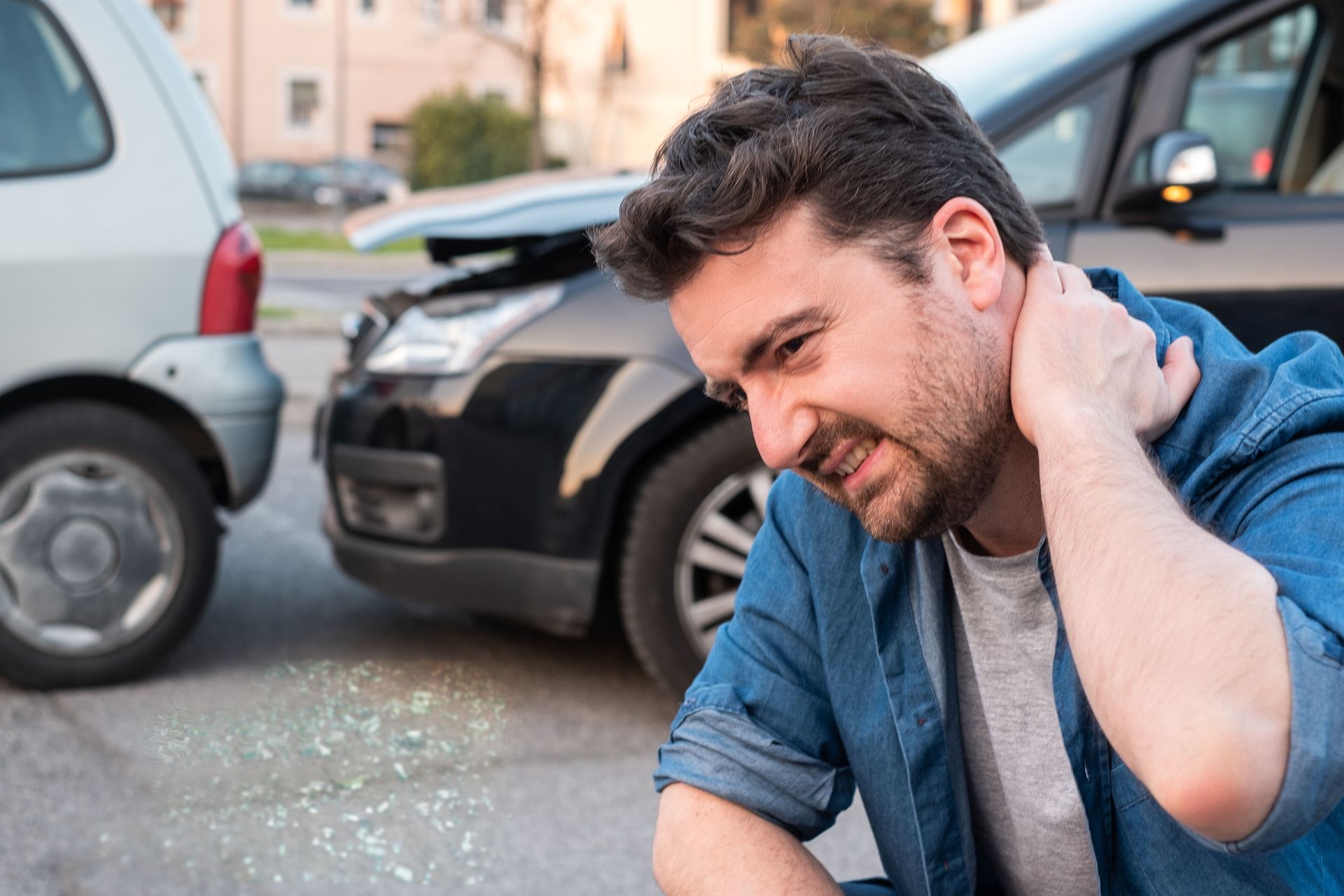
Check yourself and others for injuries before moving around unnecessarily. Call for medical assistance when anyone reports severe pain, dizziness, confusion, breathing difficulty, bleeding, or loss of consciousness. Some injuries may not be obvious, especially when adrenaline is high. According to the National Highway Traffic Safety Administration, an estimated 36,640 people died in motor vehicle traffic crashes in 2025, underscoring the importance of treating every collision seriously and seeking prompt medical attention when injuries are suspected. Avoid moving anyone with a suspected neck, back, or head injury unless remaining in place creates an immediate danger.
If the vehicles are creating a traffic hazard and can be moved safely, relocate them to the shoulder or another protected area. However, take a few quick photographs of their original positions first when conditions allow. If a vehicle cannot be moved, stay in a safe location away from active traffic while waiting for emergency personnel.
Contact Emergency Services
Call 911 as soon as immediate dangers have been addressed. Provide the dispatcher with the exact location, the number of vehicles involved, known injuries, traffic hazards, and any signs of fire or leaking fluids.
Remain at the scene unless emergency personnel direct you to leave for medical treatment or safety reasons. Leaving too early may violate local laws and can complicate the police investigation. Cooperate with responding officers, but limit your statement to facts you directly observed. Avoid guessing about speed, distance, or another driver’s intentions. Accident attorneys often rely on official reports and consistent factual accounts when evaluating what occurred.
Gather Contact and Vehicle Information
Exchange names, phone numbers, addresses, driver’s license information, and insurance details with every driver involved. Record the make, model, color, license plate number, and vehicle identification number when accessible.
Do not rely on a verbal promise that another driver will pay for the damage privately. Even apparently minor crashes can lead to unexpected repair costs, delayed injuries, or disagreements about responsibility. Avoid sharing unnecessary personal information or discussing your insurance limits at the scene.
Document the Accident Scene
Use a phone or camera to photograph the vehicles from several angles. Capture wide images showing the overall scene and close-up images of dents, broken parts, paint transfer, debris, skid marks, and deployed airbags. Photograph traffic signals, stop signs, lane markings, construction zones, nearby businesses, road defects, weather conditions, and anything that may have contributed to the collision.
Record the date, time, location, direction of travel, and current road conditions. Write a brief account of what happened while the details remain fresh. Include what you saw, heard, and did immediately before and after impact. Preserving original files with timestamps can help insurers and accident attorneys assess the sequence of events more accurately.
Identify Available Witnesses
Look for pedestrians, nearby drivers, business employees, residents, or passengers who witnessed the crash. Politely ask for their names, phone numbers, and email addresses. If they are willing, request a brief statement describing what they observed.
Do not pressure witnesses to support your version of events. Their value comes from providing an independent account. Also note whether nearby homes, businesses, intersections, or vehicles may have surveillance or dashboard camera footage. Video can be overwritten quickly, so accident attorneys may need to request it before it is automatically deleted.
Communicate Carefully at the Scene
Remain calm and respectful when speaking with other drivers, passengers, police officers, and emergency personnel. Avoid arguments, threats, blame, or accusations.
Do not admit fault or make statements such as “I did not see you” or “I am sorry I caused this.” A polite expression of concern can be misunderstood as accepting legal responsibility. Multiple factors may have contributed to the crash, including road conditions, visibility, mechanical failure, or another driver’s actions. Allow investigators, insurers, and accident attorneys to review the available evidence before conclusions are reached.
Notify Your Insurance Company
Report the crash to your insurer as soon as reasonably possible. Provide basic facts, the police report number, photographs, witness information, and contact details for the other parties. Ask about claim deadlines, repair inspections, towing, rental vehicle coverage, medical benefits, deductibles, and the next required steps.
Create a communication log that includes the date, time, representative’s name, and a summary of each conversation. Save emails, letters, estimates, receipts, and claim forms in one folder. Read any recorded statement request or settlement document carefully before agreeing to it. When injuries or disputed liability are involved, accident attorneys can explain how an early statement or release may affect a claim.
Seek Prompt Medical Attention
Visit a healthcare professional after the crash, even when injuries appear minor. Whiplash, concussions, soft tissue injuries, and internal trauma may not produce immediate symptoms. A timely examination can identify hidden problems and create medical documentation connecting the condition to the collision. Describe all symptoms accurately, including headache, stiffness, numbness, dizziness, anxiety, sleep disruption, or changes in concentration.
Follow recommended treatment plans, attend follow-up appointments, and keep copies of medical records and bills. Track changes in pain, mobility, mood, and daily activities. Gaps in treatment can affect health outcomes and may create questions during an insurance review. Consistent medical care can also support an accurate review of accident-related losses.
Preserve Expenses and Other Records
Keep receipts for towing, repairs, rental vehicles, medications, medical equipment, transportation, and other accident-related costs. Save pay stubs, employer correspondence, or scheduling records if injuries cause missed work. Maintain notes about tasks you cannot perform, activities you miss, and assistance you require during recovery.
Avoid posting photographs, opinions, or recovery updates on social media. Insurers or opposing parties may review public posts and interpret them without full context. Tighten privacy settings, but remember that deleted content may still be recoverable. Accident attorneys may recommend preserving relevant digital information while limiting new public commentary about the incident.
Review Your Legal Options
Not every collision requires legal representation, but professional advice may be useful when injuries are serious, fault is disputed, multiple vehicles are involved, an uninsured driver caused the crash, or an insurer delays or denies a claim.
Accident attorneys can evaluate available evidence, explain filing deadlines, communicate with insurers, calculate documented losses, and identify additional sources of coverage. Seeking information early can help preserve evidence and prevent avoidable mistakes. However, individuals should review fee arrangements, responsibilities, and communication expectations before choosing representation.
Stay Organized During Recovery
The aftermath of a crash may involve medical appointments, repairs, insurance calls, and unfamiliar paperwork. Use a calendar to track deadlines and a dedicated folder for records. Respond to legitimate requests promptly, but do not sign documents you do not understand.
Knowing what to do after a crash can protect health, preserve evidence, and support an orderly resolution. Prioritize safety, contact emergency services, document the scene, seek medical care, notify the insurer, and maintain accurate records. A calm and methodical response cannot undo the collision, but it can reduce confusion and help everyone involved move forward responsibly. If you have questions about your legal rights after an accident, contact Robert V. Russo Law Offices, LLC to discuss your situation with experienced accident attorneys and learn how we can help protect your interests.