November 18, 2026
Motor vehicle collisions create chaotic environments where facts become obscured by shock. Amid the twisted metal, objective truth remains hidden within the physical footprint of the collision. Uncovering this truth requires a methodical approach to forensic investigation. Legal professionals step into this environment to transform scattered debris into a coherent narrative. The investigative actions taken by vehicle accident attorneys dictate the foundation of a legal claim.
Time operates as the greatest threat to a pure investigative process. Skid marks fade with passing weather, while municipalities clear road debris to restore traffic flow. Digital footprints vanish through routine data overrides, and human memories alter over days. Because critical clues evaporate fast, legal teams must initiate preservation protocols without delay. Identifying, securing, and cataloging these fragile elements transforms speculative theories into undeniable facts.
Securing Physical Clues From the Crash Site
The asphalt surrounding a collision serves as a temporary canvas illustrating the sequence of events. Gouge marks in the pavement indicate the precise point of impact, while the trajectory of scattered fluids shows the post-collision path of travel. Documenting these physical anomalies provides a geometric layout of the incident. This layout allows investigators to calculate the momentum and direction of all involved motor vehicles before the crash.
Environmental conditions at the specific time of the incident require thorough documentation before they change. Overgrown vegetation might obscure a stop sign, or a substantial pothole might cause an abrupt lane departure. Establishing these environmental factors shifts focus toward contributing roadway defects. Thorough vehicle accident attorneys catalog these conditions to determine if municipal negligence played a role in the collision alongside the actions of the involved drivers.
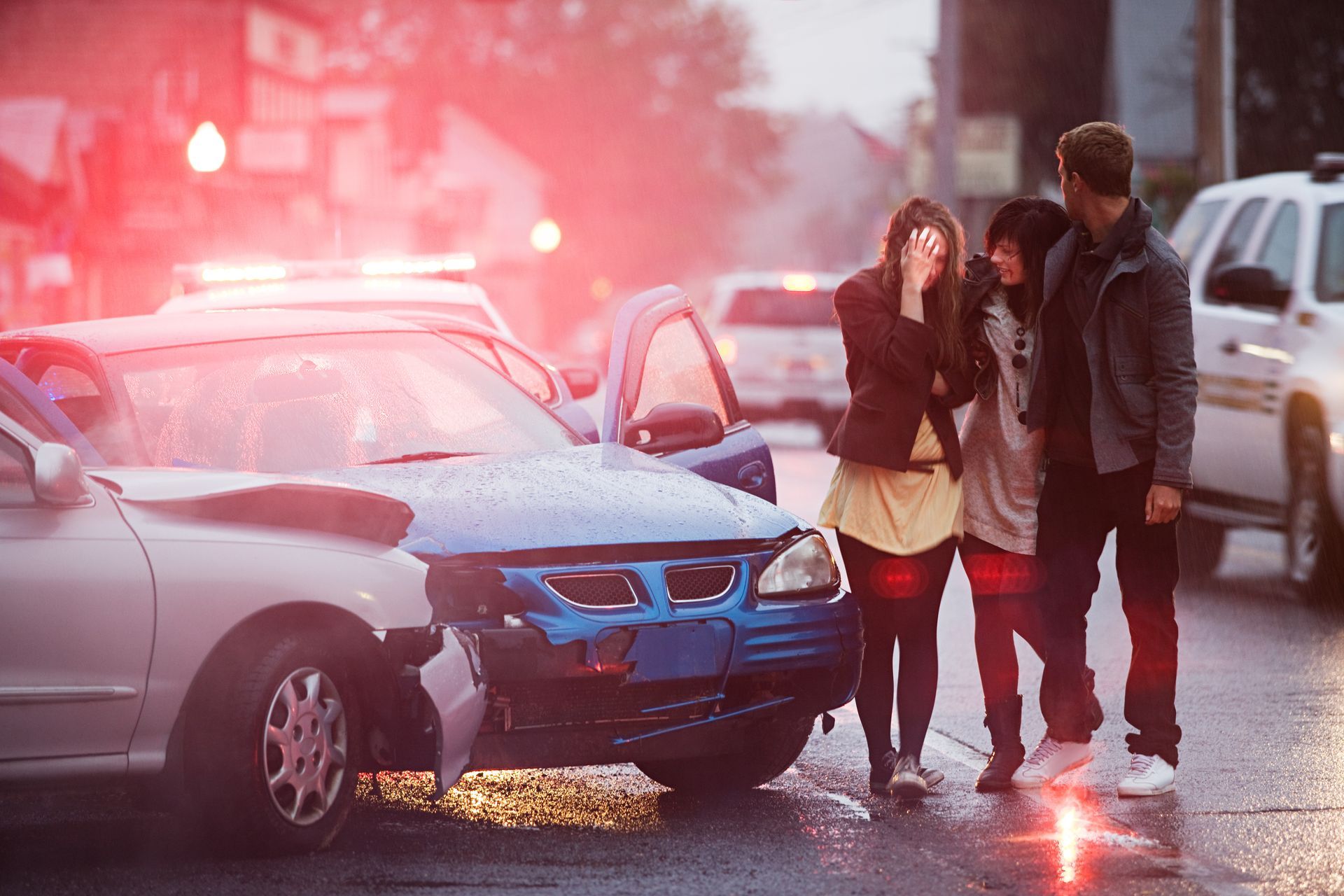
The crushed exterior of a passenger car contains significant structural data regarding the magnitude of the impact. Investigators measure the depth of the metal deformation to estimate the kinetic energy transferred between the cars. By comparing the crush profile against manufacturer safety specifications, investigators can estimate the speeds involved. This mechanical deformation offers an unbiased record of the forces applied at the exact millisecond of the collision.
Preserving specific automotive components prevents allegations of evidence tampering. A shattered brake line or a blown tire might indicate a manufacturing defect rather than operator error. Securing these components in a climate-controlled facility ensures they remain available for laboratory inspection. Maintaining a strict chain of custody over these mechanical parts safeguards the integrity of the investigation against challenges from opposing legal counsel during future litigation.
Extracting Digital Data From Connected Devices
Modern passenger cars function as rolling computers equipped with sophisticated event data recorders. These hidden devices capture vital telemetry in the moments preceding a crash, including steering angles, throttle positions, and braking applications. Downloading this telemetry provides an unfiltered view of driver inputs and vehicle responses. This mechanical testimony cuts through conflicting human narratives, offering an indisputable timeline of the actions taken by each driver involved.
Telematics systems and integrated navigation units store extensive location data that clarifies driver behavior. These systems log route histories, average speeds, and precise coordinates leading up to a collision. Extracting this geographic data helps investigators verify whether a driver deviated from a safe path or maintained reckless speeds over an extended distance. This invisible digital trail remains crucial for establishing a pattern of negligent operation.
Mobile phone forensics form another critical pillar of modern collision investigations. Subpoenaing cellular records reveals whether a driver was sending text messages, browsing applications, or engaging in phone calls during the crash sequence. Correlating cellular activity timestamps with the exact moment of impact exposes dangerous distracted driving habits. Diligent vehicle accident attorneys utilize these digital timelines to overcome denials and establish clear liability for the ensuing damages.
Building a substantial case on objective digital data increases the likelihood of a favorable resolution for injured plaintiffs. Strong evidence minimizes the opportunity for insurance carriers to dispute fault or deny coverage. According to Forbes, auto accident claims yield the highest success rate for plaintiffs in personal injury cases at 61%. This statistical advantage stems from the irrefutable nature of digital and forensic evidence gathered during investigations.
Preserving Visual Records From Surrounding Sources
Video footage acts as a compelling tool for demonstrating collision dynamics to a judge or jury. Dashboard cameras mounted in the involved cars or passing vehicles offer a real-time perspective of the crash. Acquiring this footage removes the need to rely on theoretical reconstructions. A clear visual recording ends disputes regarding traffic light colors, right-of-way violations, and erratic lane changes by providing an unblinking eyewitness account.
Commercial establishments and residential properties near an intersection maintain extensive security surveillance networks. Investigators canvas the perimeter of a crash scene to identify external cameras pointing toward the roadway. Securing this external footage requires immediate action, as commercial systems overwrite recordings on a tight loop. Obtaining these peripheral angles can illuminate blind spots or capture pre-collision behaviors that dashboard cameras miss.
Municipal traffic monitoring infrastructure provides an additional layer of visual documentation for intersection collisions. Red-light cameras and toll booth monitors capture high-resolution images of license plates and vehicle positions during traffic infractions. Procuring municipal footage involves navigating bureaucratic hurdles and formal legal requests. Experienced vehicle accident attorneys issue preservation letters to city departments to ensure this vital government footage avoids deletion before the litigation process begins.
When active video recordings remain unavailable, static scene photography fills the evidentiary gap. Investigators capture images of the intersection at the same time of day to replicate the specific lighting conditions or sun glare present during the crash. Photographing sightlines from the driver's perspective helps refute claims of obstructed visibility. These deliberate visual records recreate the environment, allowing arbiters to understand the exact visual limitations facing the drivers.
Corroborating Human Accounts With Forensic Science
Human memory suffers from trauma-induced distortion, making eyewitness testimony fragile. Bystanders might misjudge speeds or misidentify the sequence of impacts due to the sudden nature of a crash. Forensic investigators cross-reference these human accounts against the physics of the scene. When a witness statement contradicts the physical gouge marks or telemetry data, the scientific evidence takes precedence in establishing the accurate sequence of events.
Medical documentation serves as forensic evidence by linking the mechanism of injury to the collision dynamics. The specific types of trauma sustained by an occupant indicate the direction and severity of the impact forces. The exact angle of a whiplash injury can confirm a rear-end collision, while a specific fracture pattern might indicate side-impact intrusion. This biomechanical correlation proves the crash caused the claimed physical harm.
Initial reports drafted by responding law enforcement officers provide a baseline narrative of the incident. These documents contain omissions or subjective conclusions made under the pressure of clearing the roadway. Dedicated vehicle accident attorneys scrutinize these reports against the collected forensic data. If the forensic evidence contradicts the police narrative, legal teams utilize engineering principles to correct the official record and redirect the liability assessment.
Bringing multiple streams of data together requires the utilization of advanced reconstruction software. These programs fuse physical measurements, vehicle telemetry, and visual footage to create dimensional animations of the crash. Simulating the event allows legal teams to test alternate theories and demonstrate the physical impossibility of false claims. This technological synthesis translates complex physics into an accessible format that juries and claims adjusters can comprehend without extensive scientific backgrounds.
Securing a fair resolution following a traumatic collision hinges on the meticulous accumulation of verifiable facts. Through this rigorous process, vehicle accident attorneys construct unassailable narratives rooted in objective science. When you need legal guidance after a crash, reach out to Robert V. Russo Law Offices, LLC. Our experienced
vehicle accident attorneys will meticulously gather forensic evidence to build the strongest possible case on your behalf.