January 19, 2026
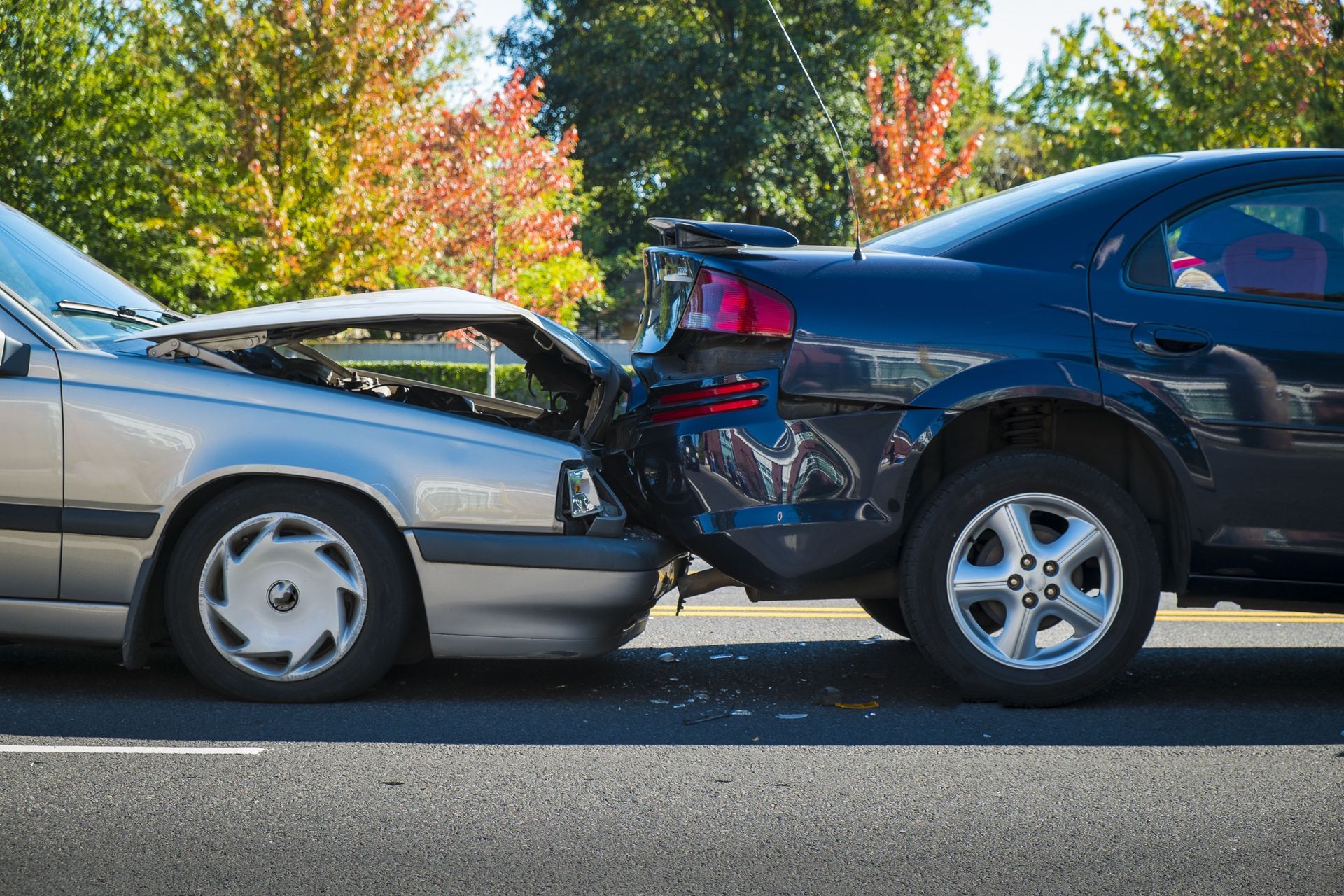
Every day, traffic accidents change lives dramatically, leaving individuals in shock and often injured. Knowing the appropriate actions to take following a serious traffic accident can mean the difference between an organized recovery and prolonged hardship. The immediate aftermath of an accident is crucial, not only for health reasons but also for legal and financial security. Preparing yourself with knowledge can ensure quick and decisive action when it's most needed. From ensuring your safety to collecting information that will help an accident lawyer argue your case, each step plays a critical role in the aftermath of an accident.
1. Ensure Safety First
Assess theScene
The very first step after a traffic accident is to assess the overall scene. This means taking a calm and focused look at your surroundings to understand the potential dangers that still exist. Look for oncoming traffic and any hazards such as leaking fuel or downed power lines. The priority here is to understand what immediate steps are necessary to maintain safety for yourself and others. Effective assessment can prevent further injuries and set the stage for a responsible response.
Move to a Safe Location
Once the scene has been assessed, it is important to move to a safe location if possible. This may involve moving your vehicle to the side of the road or exiting the vehicle if staying inside poses a danger. If you're uninjured and traffic conditions allow, relocate to a sidewalk or shoulder. The aim is to minimize obstruction to traffic and avoid secondary collisions. Choose a stable and visible spot for both yourself and your vehicle until emergency services arrive.
2. Contact Emergency Services
Dia Emergency Numbers
After ensuring immediate safety, contacting emergency services is a critical step. Dialing the appropriate emergency number quickly brings professional help to the scene. Quick communication can be life-saving, especially in severe accidents where every second counts. The rapid response of medical personnel can mean prompt treatment for severe injuries. Furthermore, police involvement ensures an official record of the accident for future reference.
Provide Accurate Information
When speaking with emergency dispatchers, clear and concise communication is essential. Provide information on your exact location, the number of people involved, and any apparent injuries. This enables dispatchers to assess the situation accurately and send the necessary resources. Miscommunication can delay crucial aid, making this step imperative for effective emergency response. Don't forget to mention any ongoing safety risks that responders should be aware of upon arrival.
Follow Dispatcher Instructions
While waiting for emergency services, follow any specific instructions provided by the emergency dispatcher. This could involve steps to stabilize someone's condition or actions to secure the accident scene further. Dispatchers are trained to guide you through crucial moments after an accident. Their advice can enhance safety and provide reassurance until professionals arrive. Always keep your phone on and stay on the call unless told otherwise.
3. Gather and Document Evidence
Take tos of the Accident Scene
In today's digital age, taking photos is a convenient and powerful way to document evidence that will be invaluable to an accident lawyer who takes on your case. Capture wide angles and close-up shots of vehicle damage, road conditions, and any relevant signage or landmarks. These images can be instrumental in insurance claims and legal proceedings. Photos offer a real-time record of the accident environment, providing more context than written descriptions alone. Remember to photograph from a safe place and at times when traffic allows.
Collect Witness Statements
If there are bystanders or other individuals who witnessed the accident, collecting their statements can be invaluable. Politely ask if they would be willing to provide a concise account of what they saw. Witnesses may offer perspectives on details you may have missed during the accident itself. Record their names and contact information for future reference. Independent accounts bolster the credibility of a reconstructed event narrative.
Record Details of the Vehicles Involved
Documenting vehicle details involved in the accident is a necessary step towards resolving any claims. Take note of make, model, color, and license plate numbers. Additionally, capturing any unique identifying marks or damages that might be pertinent later. Such thorough documentation helps clarify ownership and association at potentially disputed events. It stands as an objective reference when reviewing accident reports or insurance paperwork with your accident lawyer.
Secure a Copy of the Preliminary Police Report
The police report is an authoritative document that can be pivotal for many subsequent processes. Ensure you obtain a copy, even if your role in the accident was minimal. This report often contains preliminary findings, initial impressions, and identifications unusable for insurance and legal procedures. It's one of the most traditional and firm pieces of documentation in accident-related matters. Securing a copy demonstrates proactive engagement in understanding official resolutions.
4. Exchange Information With Other Parties
Share Insurance Details
Post-accident protocol necessitates exchanging insurance information with all other involved drivers. Providing your basic insurance information ensures each party can handle damages with their respective insurers. This is not the time to debate or recount how the accident happened. Simply exchange details from insurance cards efficiently and succinctly to facilitate future claims. Ensure all parties confirm discussions by mutual acknowledgment of received information.
Collect Driver's License Information
Collecting and verifying driver's license information helps reaffirm identity and responsibility accurately. Ensure the information is legible, and names match official records. Taking a picture of the license can expedite capturing accurate details without misinterpretation. Such documents contribute to the transparency of all parties involved and support further claims procedures. As with insurance details, this step should be handled efficiently and calmly.
Avoid Discussing Fault
Any accident lawyer will tell you that it's crucial not to discuss blame or fault with other drivers or witnesses at the accident scene. Emotions can run high, and determined attributions of fault could complicate legal proceedings or insurance claims later on. Avoid statements like, "I'm sorry," as these could be misinterpreted as admissions of guilt. Reserve these analyses for official reports or discussions with legal or insurance representatives. Concentrate on logistics and safety rather than softening emotional conflicts on location.
5. Seek Medical Attention
Recognize Symptoms of Latent Injuries
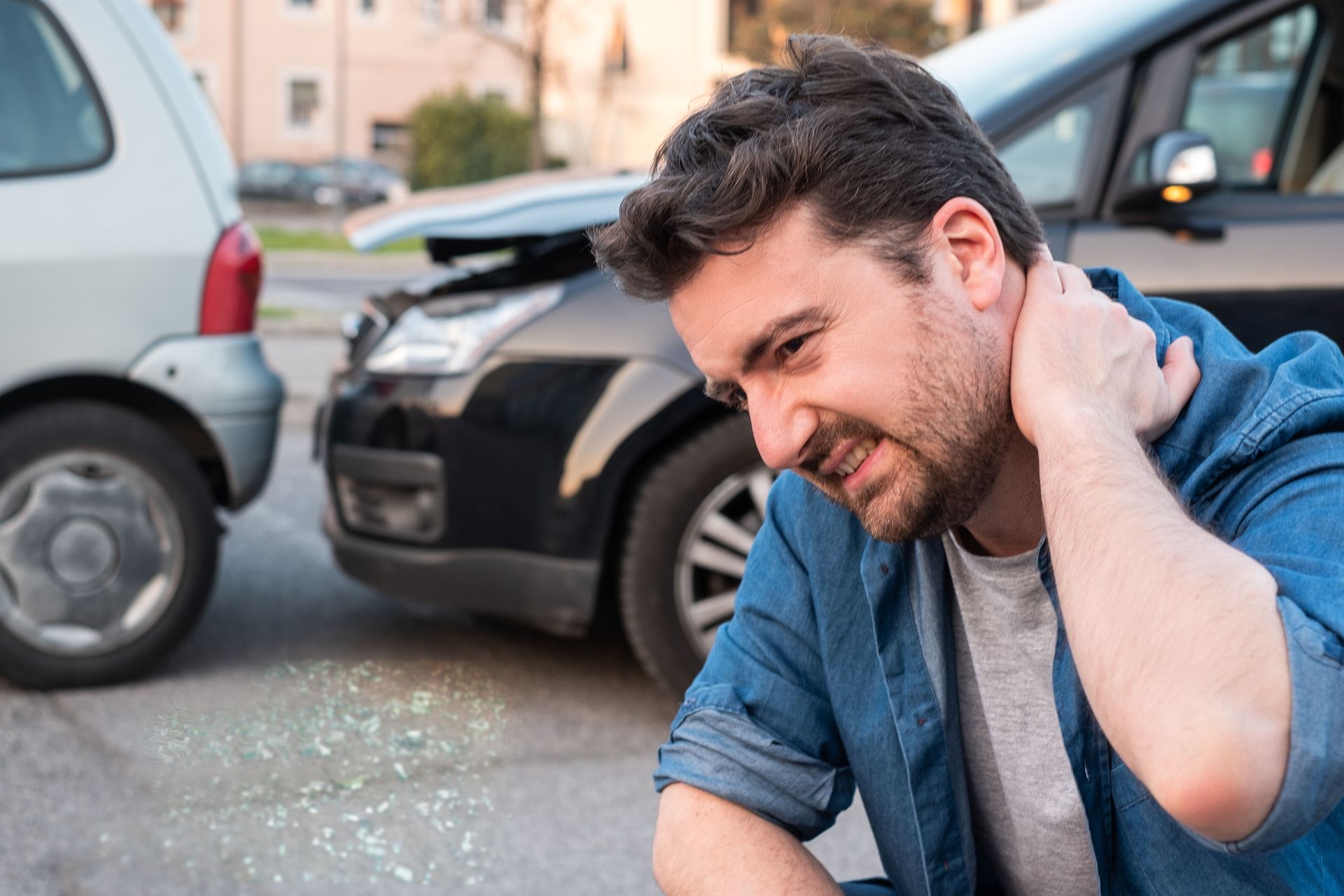
After an accident, certain injuries might not manifest symptoms immediately. Conditions like whiplash or concussion are renowned for delayed symptoms, sometimes appearing hours or days after the accident. Sensible precaution includes recognizing such potential delays and monitoring symptoms keenly during recovery. Swift awareness and acknowledgment of symptoms as they arise are essential to prevent complications. Always prioritize comprehensive check-ups and consult medical professionals even when injuries are not overtly apparent.
Visit a Medical Professional Promptly
Prompt assessment by a medical professional is imperative to identify and treat any latent injuries effectively. A quick medical evaluation provides peace of mind and outlines clear steps in addressing any burgeoning health concerns. According to the World Health Organization, traffic injuries are the leading cause of death for people between five and 29 years old, highlighting the importance of professional medical assessment. Professional guidance ensures rigorous examination, increasing recovery prospects and healing rate. Emergency or routine checks don't only confirm outer wellness, but also identify wrong symptoms or unseen damage.
Maintain a Record of Medical Treatments
Documenting all medical treatments and evaluations pursued post-accident is a recommended practice. This information is critical when filing insurance claims or pursuing personal injury lawsuits. Ensure that practitioner names, appointment dates, and treatment prescriptions are recorded accurately. This detailed record serves to validate injury claims with the help of an accident lawyer and delineates the road to recovery. Comprehensive treatment records further reinforce accountability from all involved parties towards health challenges or improvements.
In the aftermath of a serious traffic accident, taking organized and methodical steps significantly impacts both immediate and long-term outcomes. From prioritizing safety and obtaining medical attention to ensuring accurate documentation and working efficiently with insurance companies, each step requires careful attention. The steps outlined serve not only as a guide but as a preparatory toolkit, preparing individuals for potentially uncharted events. For more helpful tips, reach out to an accident lawyer at Robert V. Russo Law Offices, LLC. We can get you started with a free consultation.